
Project spotlight: OASIS has passed its mid-term review in Arctic Phi-Lab. SINTEF, KSAT and NOFO are building a platform that turns satellite detections of oil spills into a continuous, contextual picture that responders can act on.
“Responding effectively to an oil spill in Arctic waters depends on having the right information at the right time. Through OASIS, we are bringing together satellite observations, oil-drift simulations and AI-based analytics to give responders a more complete picture of what is happening. Phi-Lab’s support has allowed us to explore these new approaches.”
Sajidah Ahmed, Project Manager of OASIS, SINTEF Nord
Project Overview
OASIS (Oil Spill Analysis in the Arctic using Satellites and Intelligent Simulations) is a collaboration between SINTEF, KSAT and NOFO that aims to improve how oil spills are monitored and assessed. The project combines satellite imagery, environmental data, machine learning and oil-drift modelling within a single platform.
By moving beyond isolated satellite detections, OASIS provides a more continuous and contextual understanding of spill events. The overall goal is faster, better-informed decisions for the organisations that respond to them. Read more on SINTEF’s OASIS project page.
Why This Matters
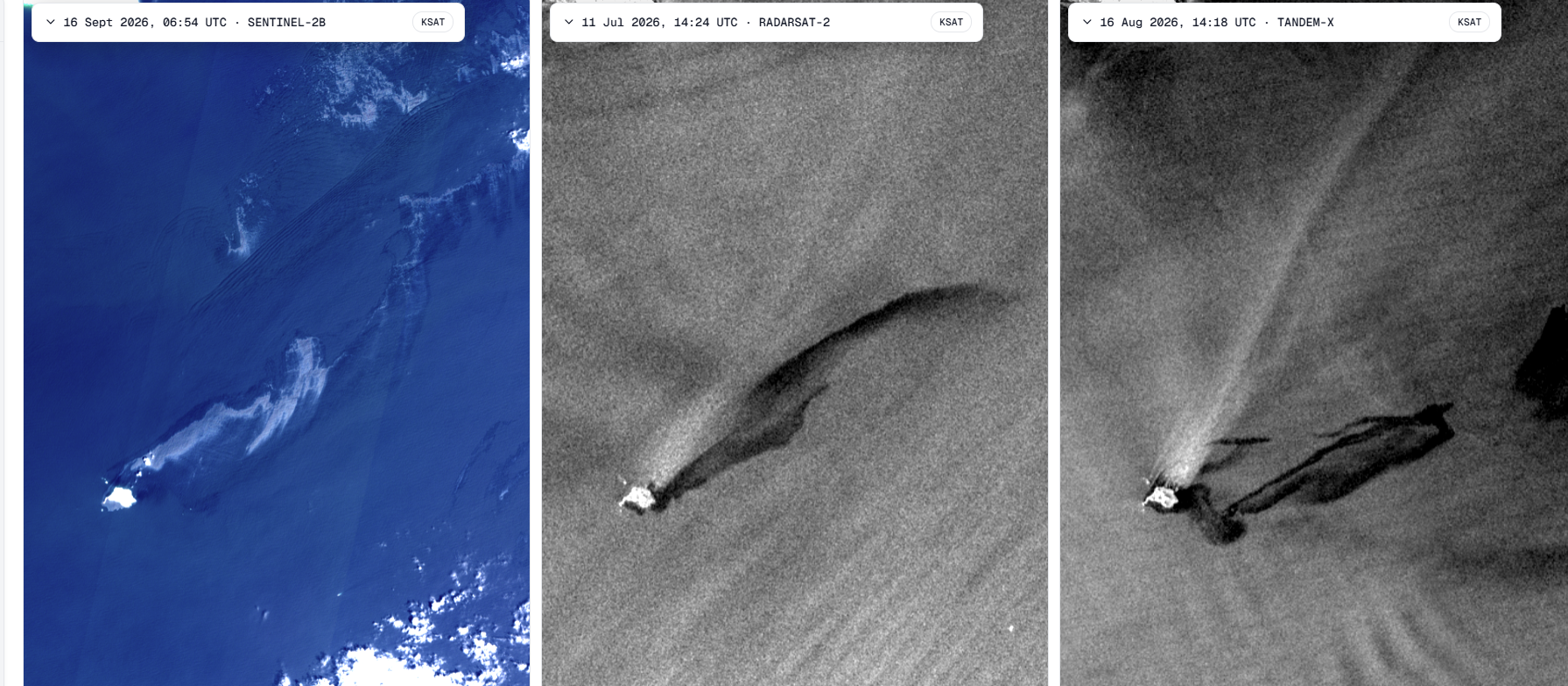
In Arctic waters, distances are long, conditions change quickly and response resources are limited. A single satellite image shows where oil is at one moment; responders also need to know where it came from, how it is moving and where it is likely to go next. Combining several satellite sources with drift simulations and analytics is what turns detections into decision support.
Progress So Far
Since the start of the project, the consortium has laid the foundations of an integrated decision-support platform for oil-spill monitoring. It combines satellite observations, historical analysis, machine learning and oil-drift simulations to give a richer operational picture of potential spill events. Development has been guided by close collaboration with NOFO and the Norwegian Coastal Administration, so that the tools address real operational needs.
Next Steps
The next phase will strengthen the integration of the platform, improve the AI-driven analytics and further develop the oil-drift simulations. Ongoing testing with end users will keep the tools practical and relevant for operations.
The Team
Sajidah Ahmed is a Research Scientist at SINTEF Nord with a PhD in Physics from UiT The Arctic University of Norway. Her research focuses on Earth observation, remote sensing, data analytics and environmental modelling for Arctic and marine applications. As Project Manager of OASIS, she leads the consortium’s work to turn satellite observations, machine learning and oil-drift simulations into practical decision-support tools.
Hugo Isaksen is a Senior Project Manager at KSAT with 20 years of experience in Earth observation, satellite-based monitoring and emergency response, specialising in maritime surveillance and oil-spill detection. He supported the initial emergency response for BP during the Macondo incident in 2010 and has since worked internationally on oil-spill monitoring services, including for NOFO, in the Middle East and in Brazil.
About Arctic Phi-Lab
Arctic Phi-Lab is ESA’s innovation node in Tromsø, supporting projects that bring Earth observation and new technology into use in the Arctic. Read more about our projects and calls on arcticphilab.no.
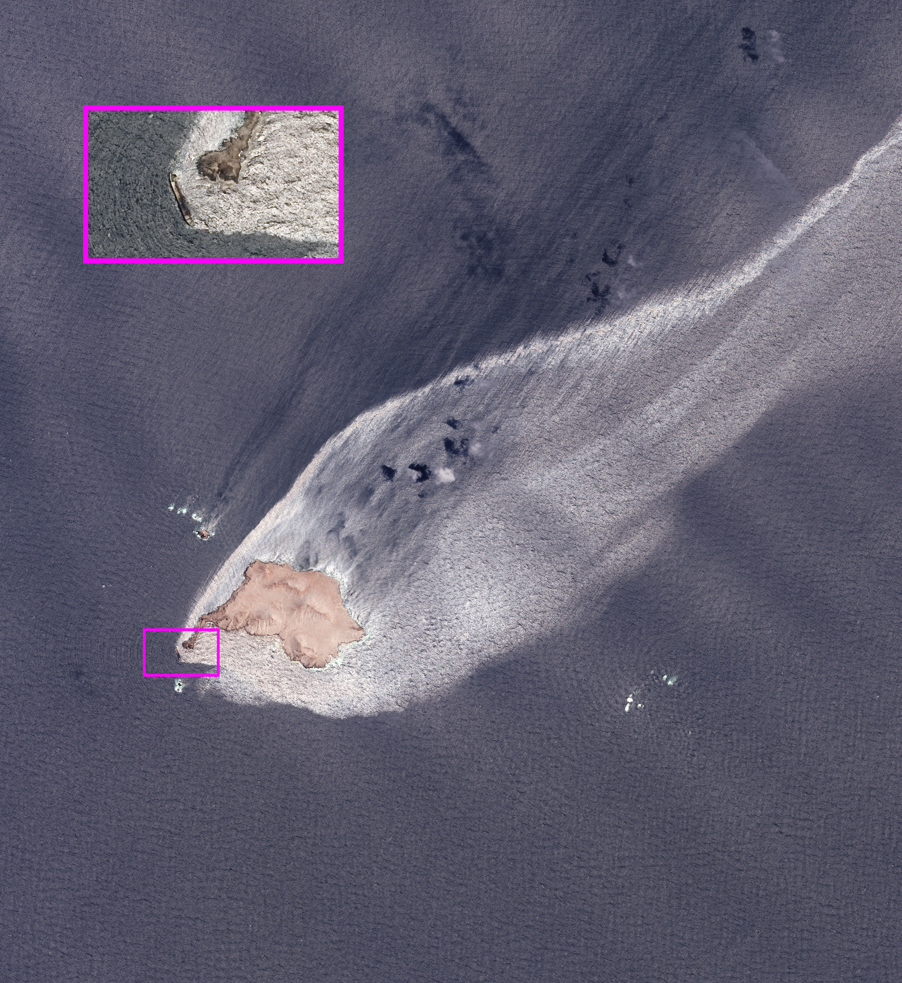
Top image: oil spill from the wreck of Caroline Bezengi, acquired by SPOT 6. © Airbus Defence and Space 2026. All rights reserved.